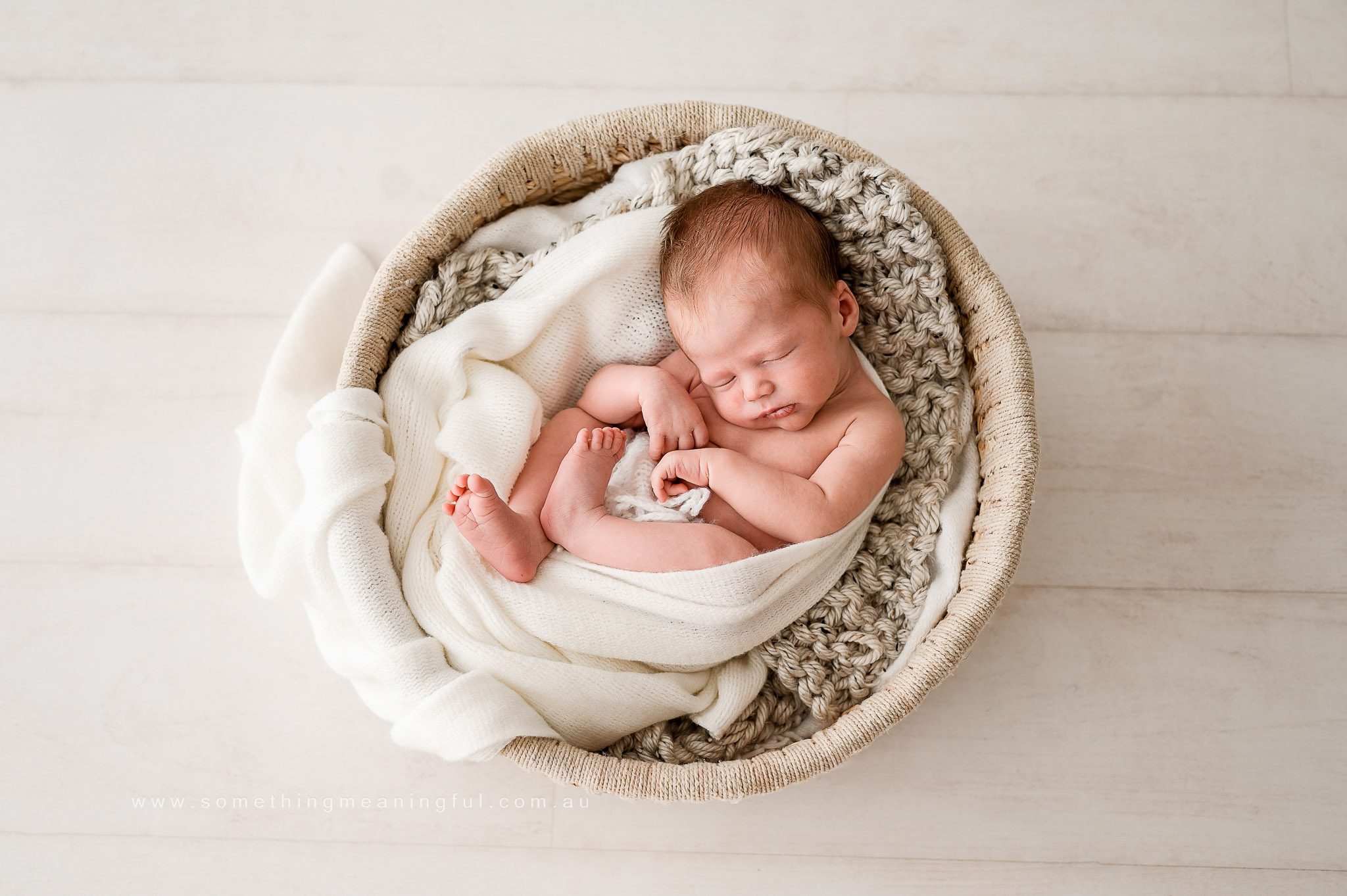
If you’re wondering what the best age is for newborn photos, the most common answer you’ll come across is 5 – 14 days old.
That timeframe isn’t random – it’s based on how most babies tend to behave in those early days, and the type of images that are possible when they’re very sleepy and flexible.
But that’s only part of the story.
Because while that early window can be ideal for certain poses and setups, it’s not a strict cutoff, and it’s definitely not the only time beautiful newborn photographs can be created.
After photographing newborns for over 15 years, I’ve worked with babies at just a few days old, and babies several weeks old. What changes isn’t whether the photos are worth doing – it’s the style of images we naturally create.
Here’s a clear breakdown of what that timing actually means, and how to decide what’s right for your family.
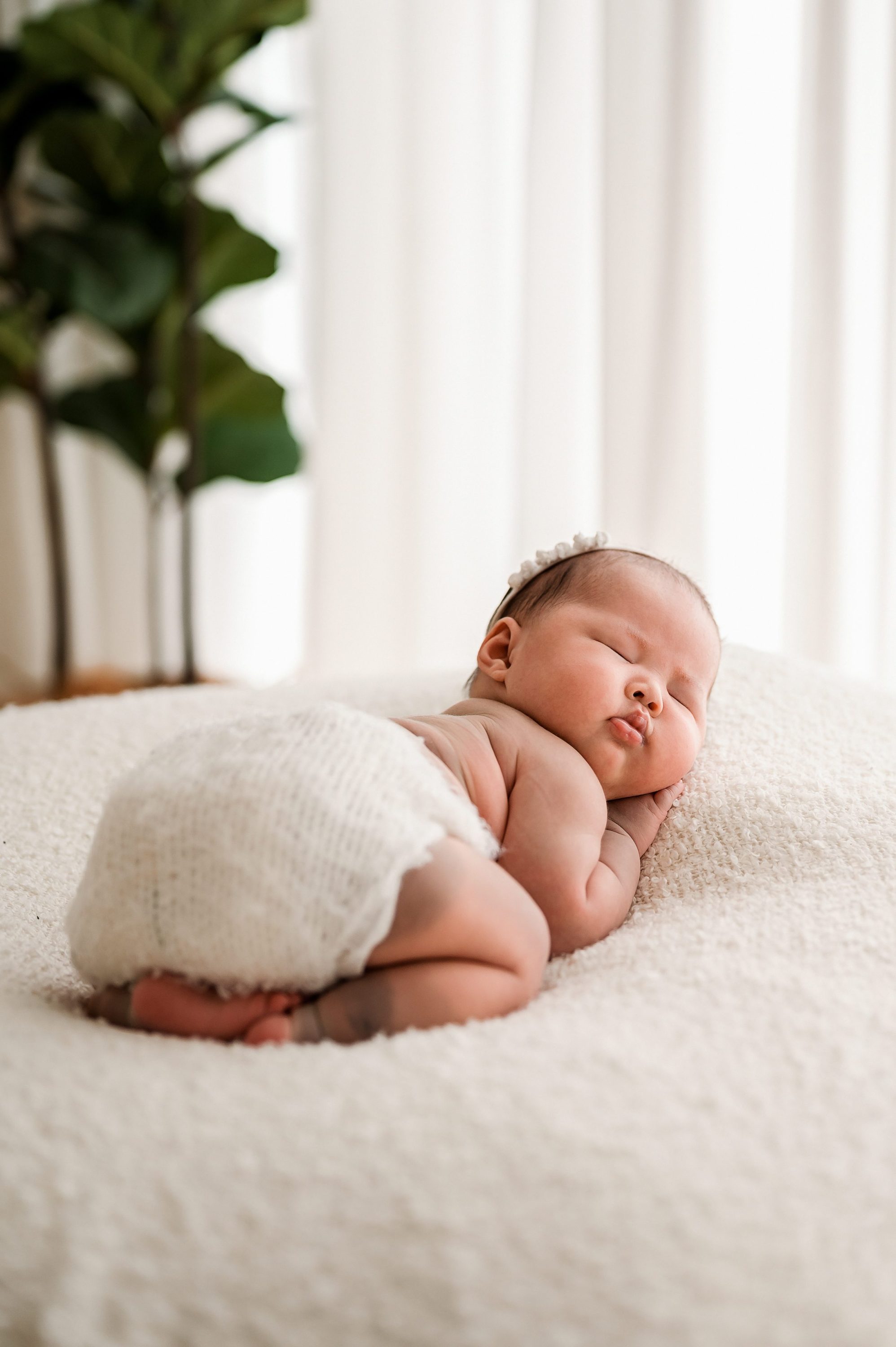
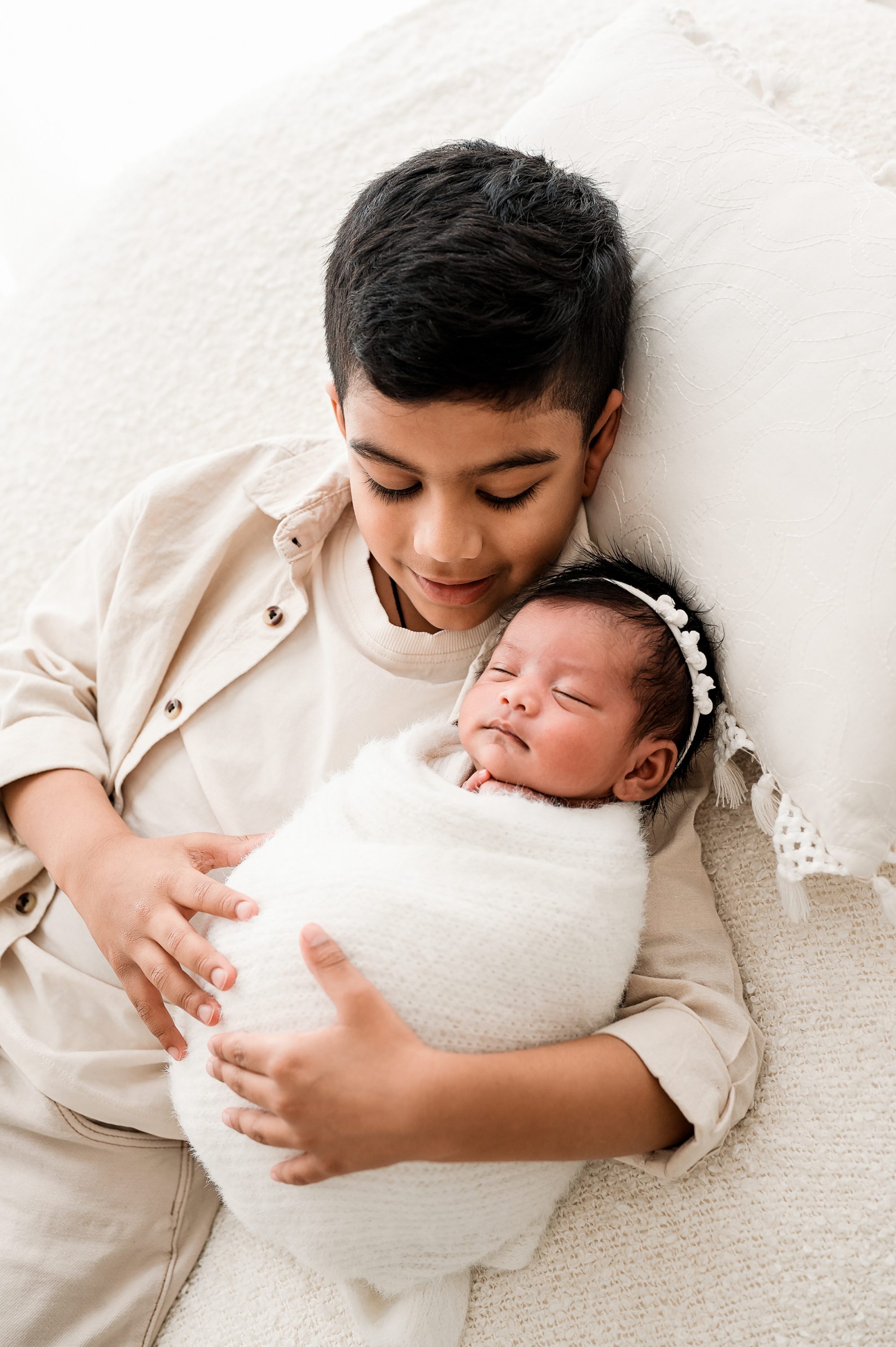
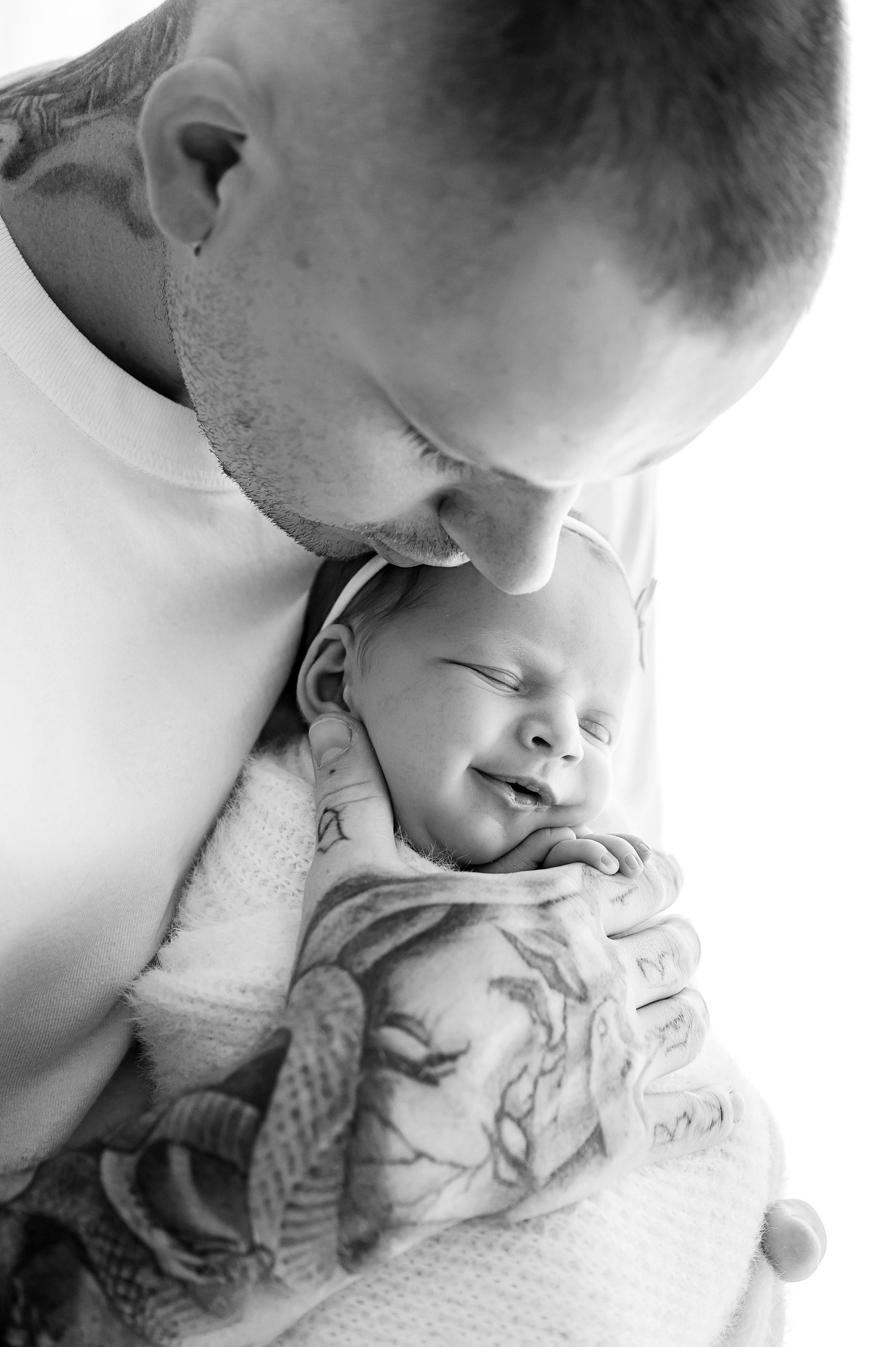
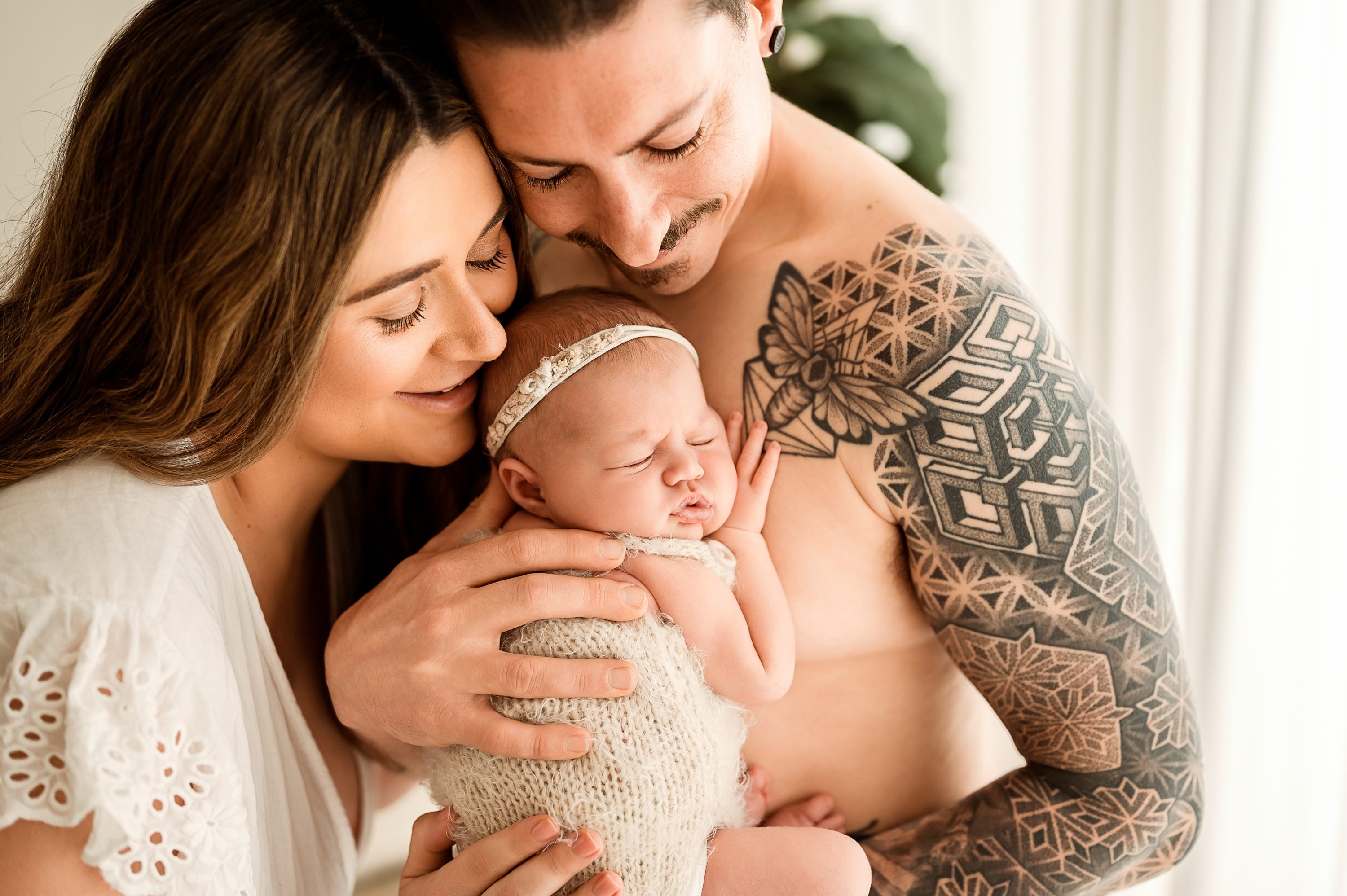
The Short Answer
If you’re just looking for a simple guide:
- 5 – 14 days old is the most commonly recommended timeframe
- 2 – 4 weeks is still very workable
- 4 – 8 weeks is absolutely still worth photographing
- The “best age” depends on the style of images you love most
The idea that newborn photos must happen in the first two weeks is more flexible in practice than most people realise.
For Melbourne families, I recommend getting in touch during your second trimester or early in your third trimester, especially if you know you’d love a calm, baby-led newborn session in my Altona Meadows studio.
Why photographers recommend 5 – 14 days
There are a few reasons photographers talk about this early window.
In those early days, babies are usually:
- Sleepier for longer stretches
- More easily settled once fed
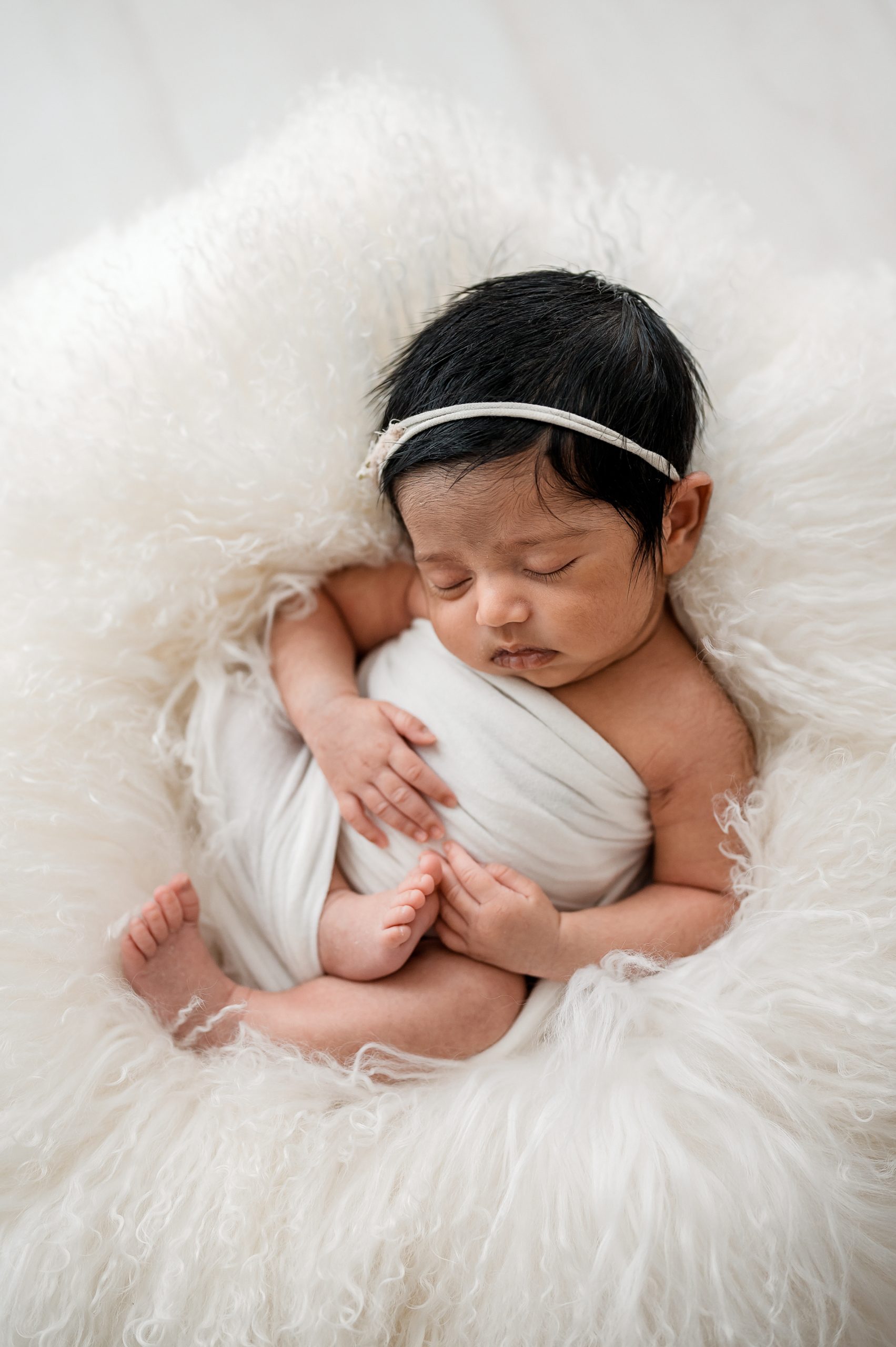
- Still naturally curled from time in the womb
- Very small and fresh in their features
This combination makes it easier to create hose softly curled, sleepy newborn images many parents imagine when they think of newborn photography.
It’s also often a time when babies are still very flexible with routine, especially before longer wake windows and more alert periods start to appear.
But it’s important to say this clearly – this is not a rule, and it’s not a deadline.
It’s simply a window where certain types of images are easier to create.
What changes as your baby gets older
As babies move past the two-week mark, a few things naturally shift.
You’ll often start to notice: they may:
- Stay awake for longer periods
- Stretch out more through their body
- Become a little more alert during handling
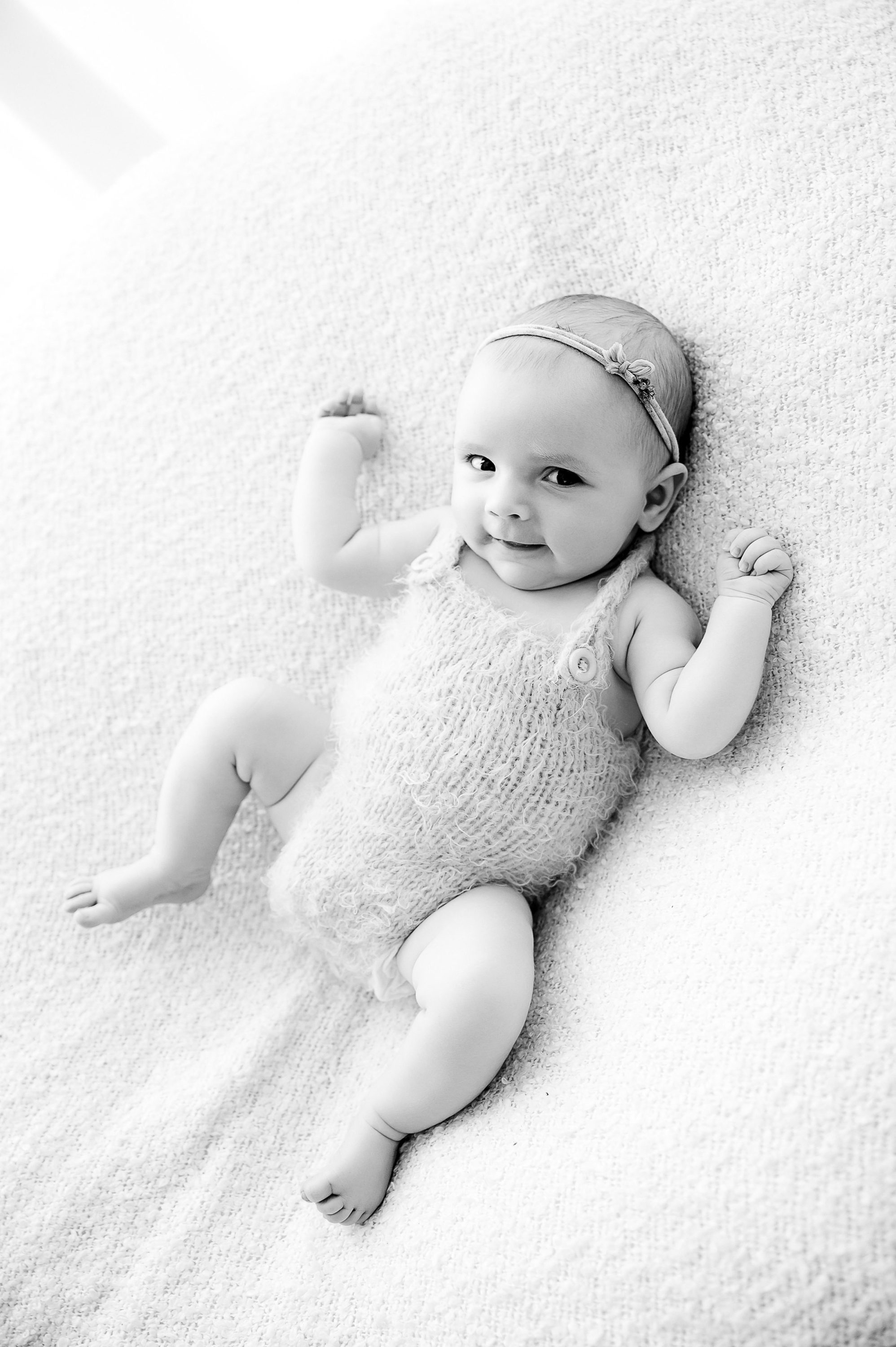
- Show more expression and eye contact
This doesn’t make the photos “less newborn” or less meaningful.
It just changes the style of images we create.
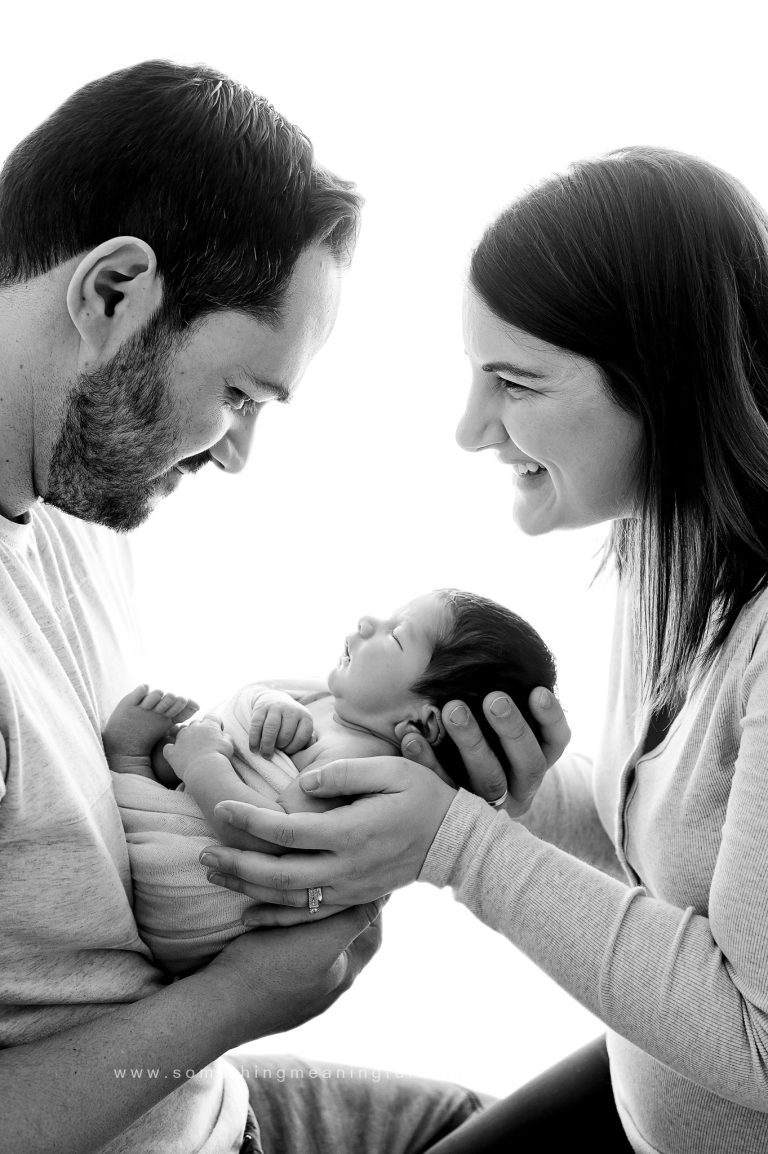
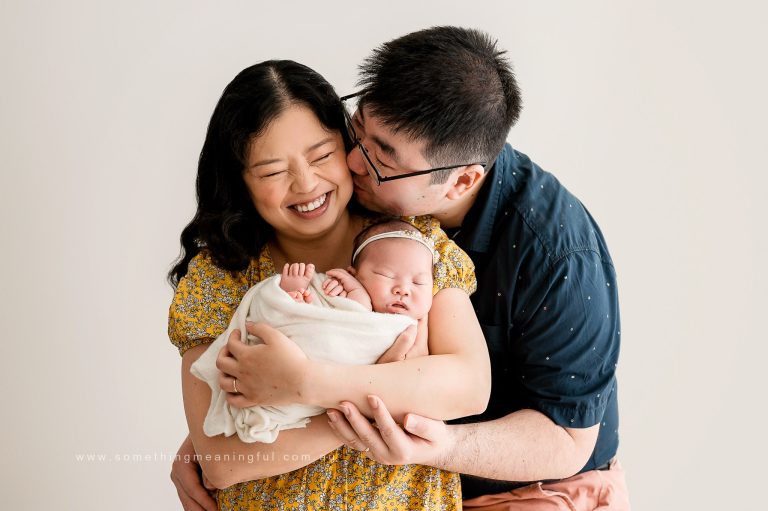
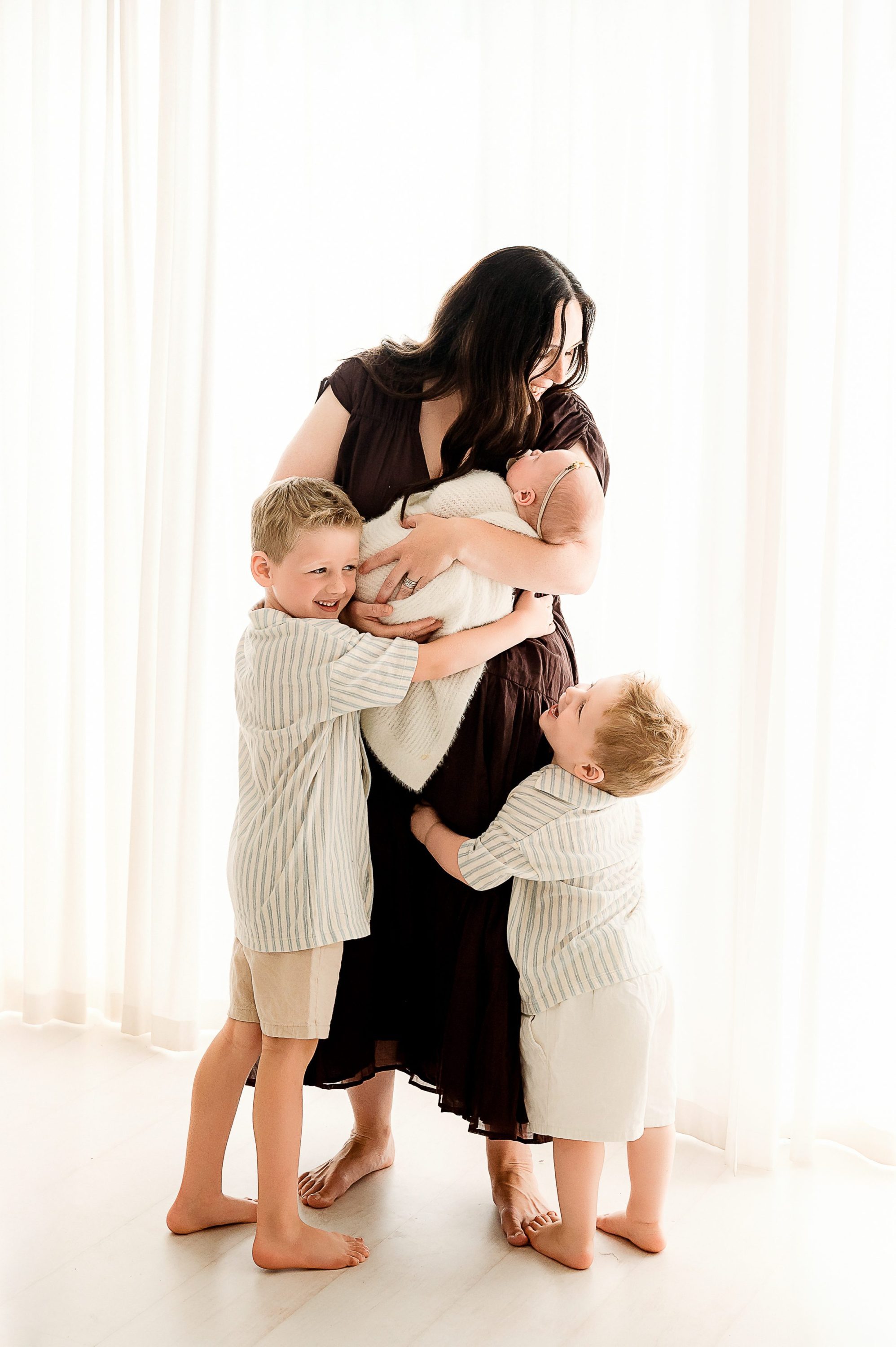
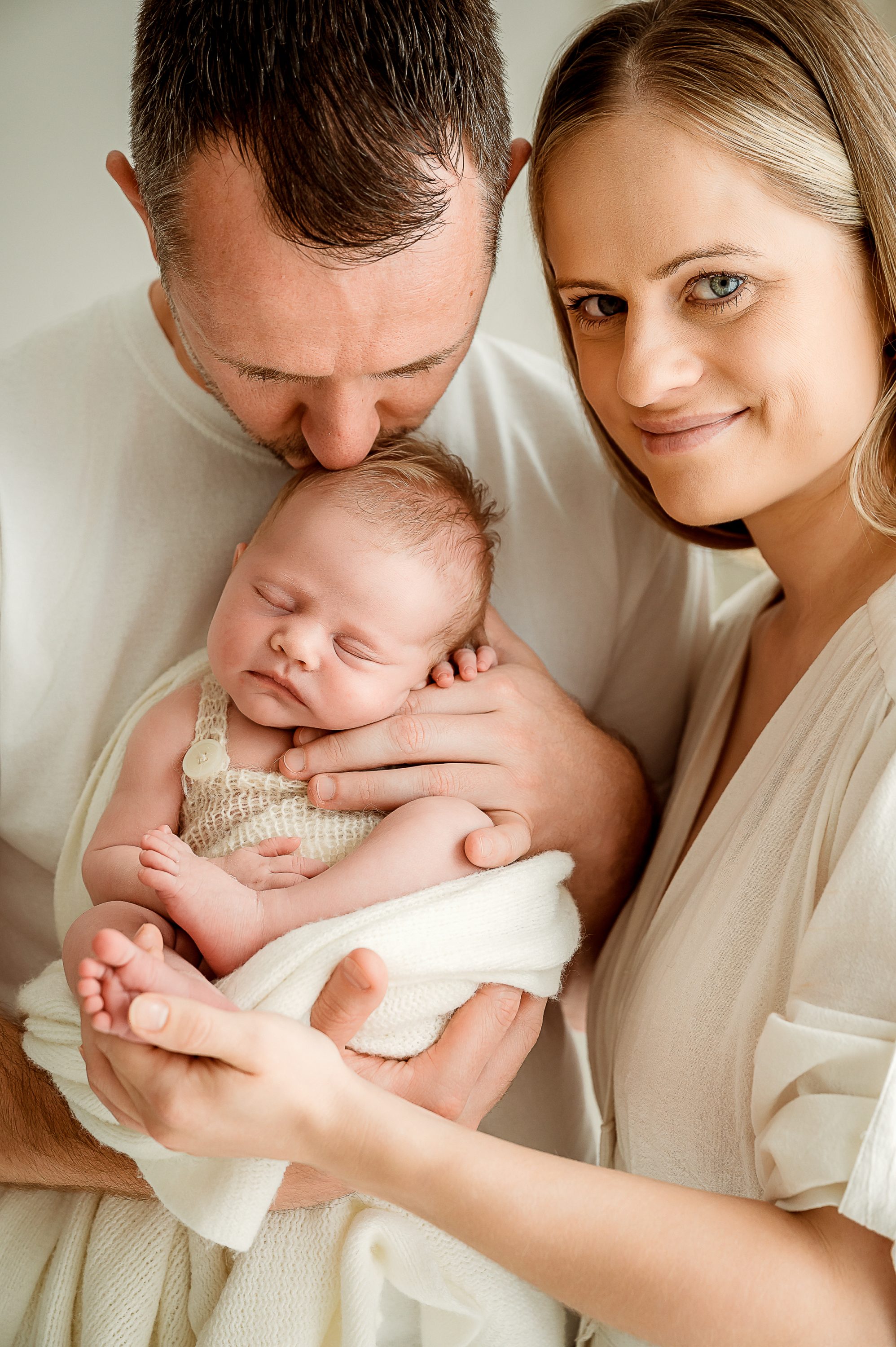
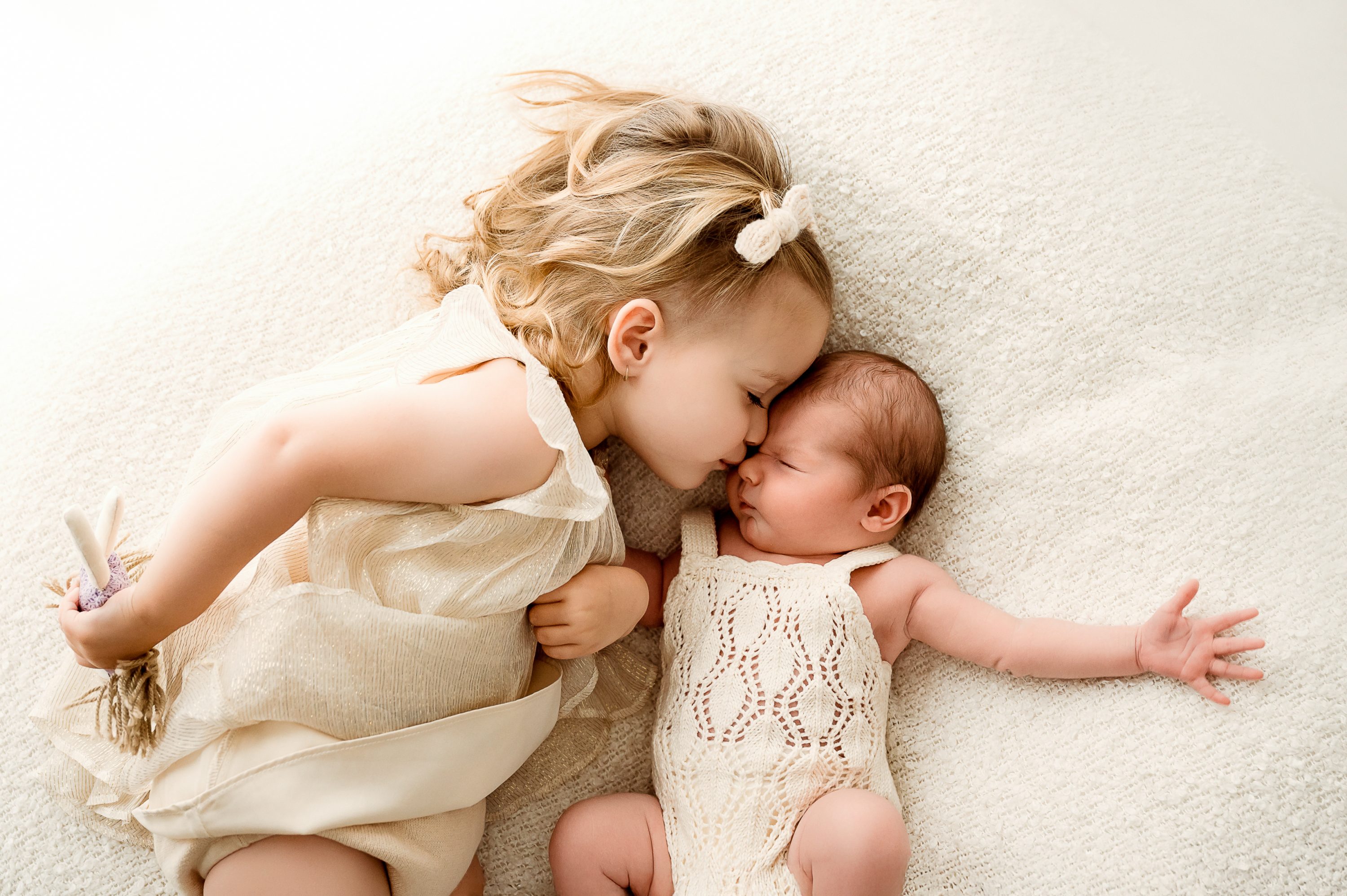
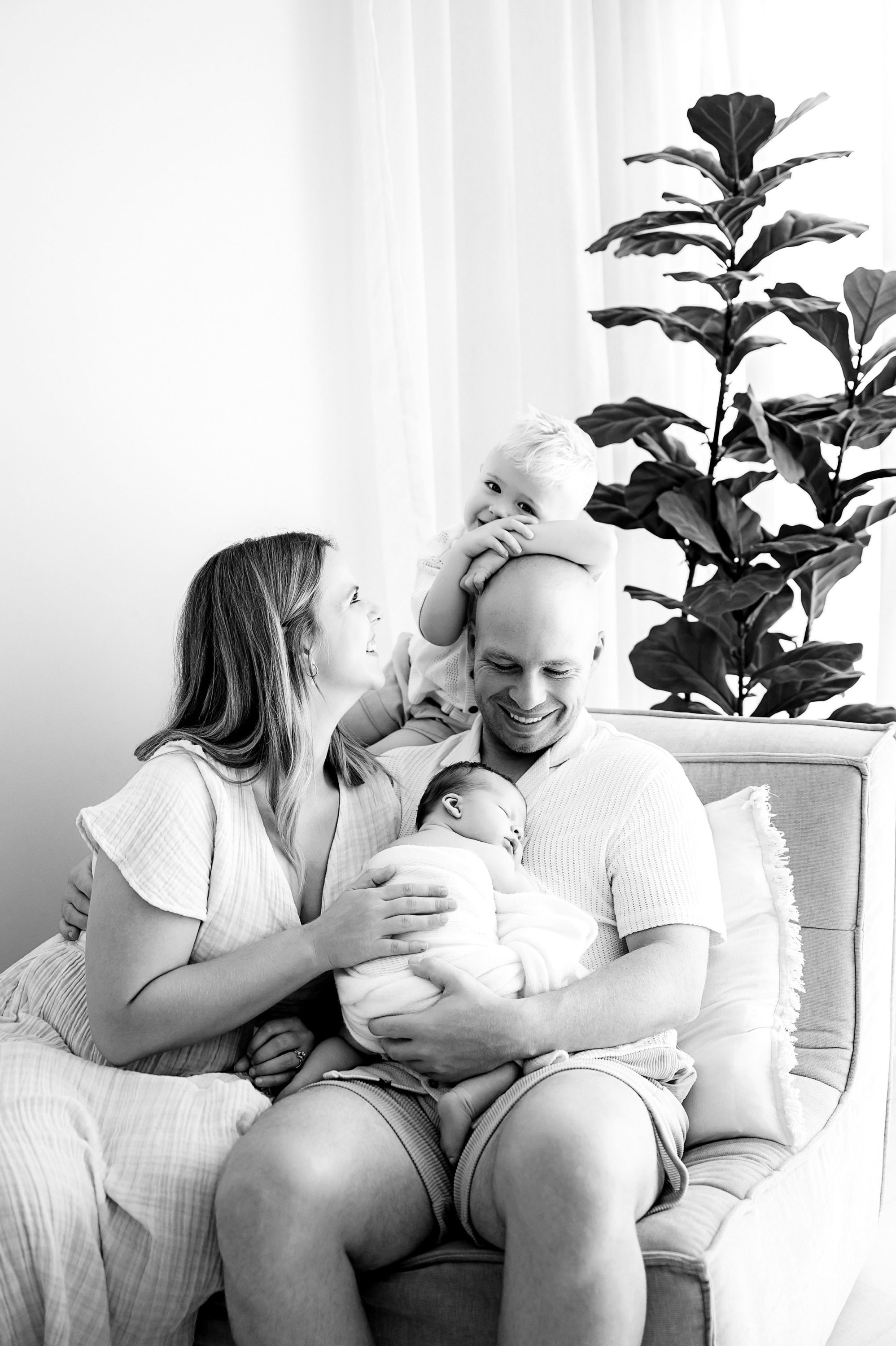
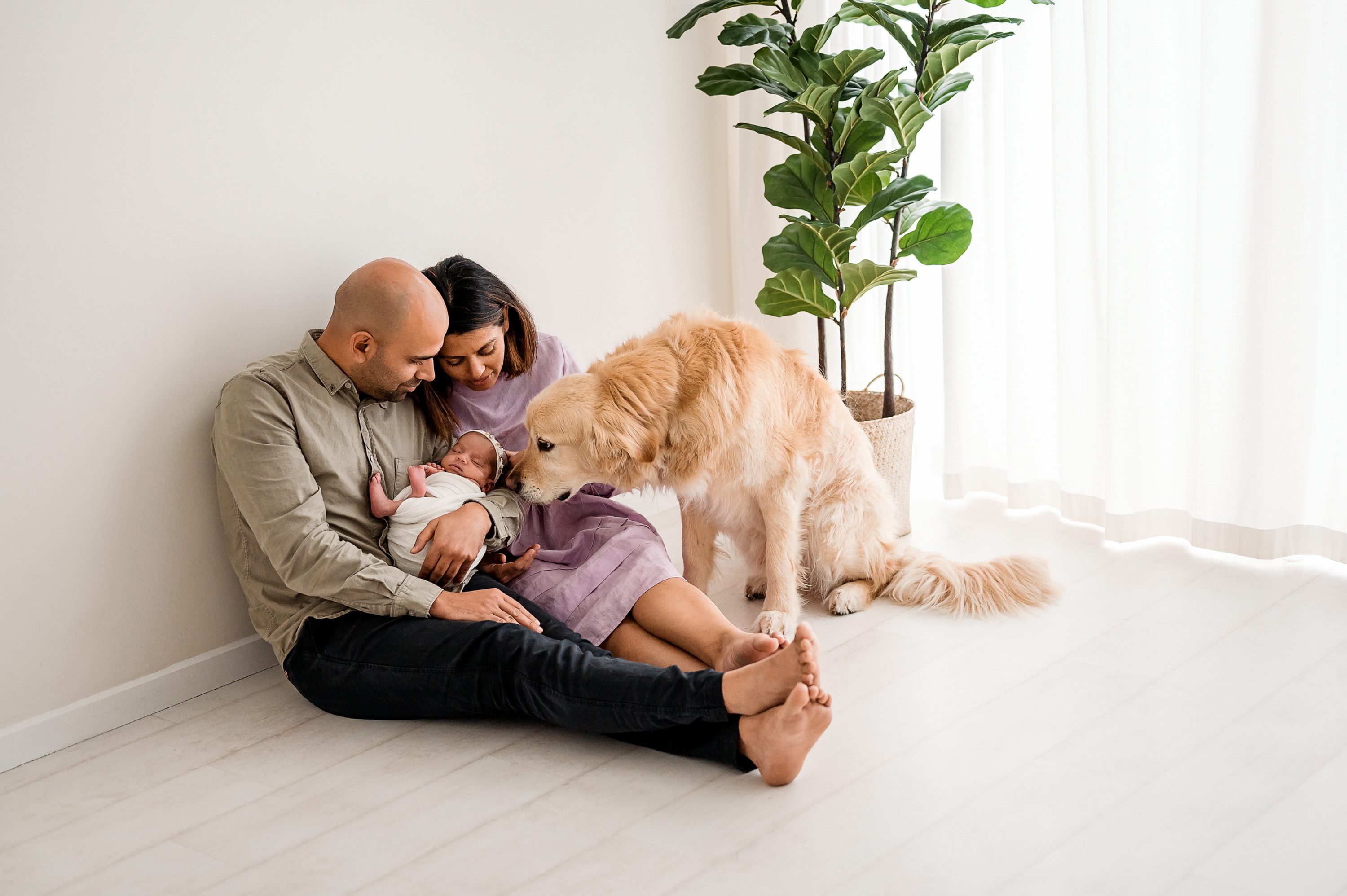
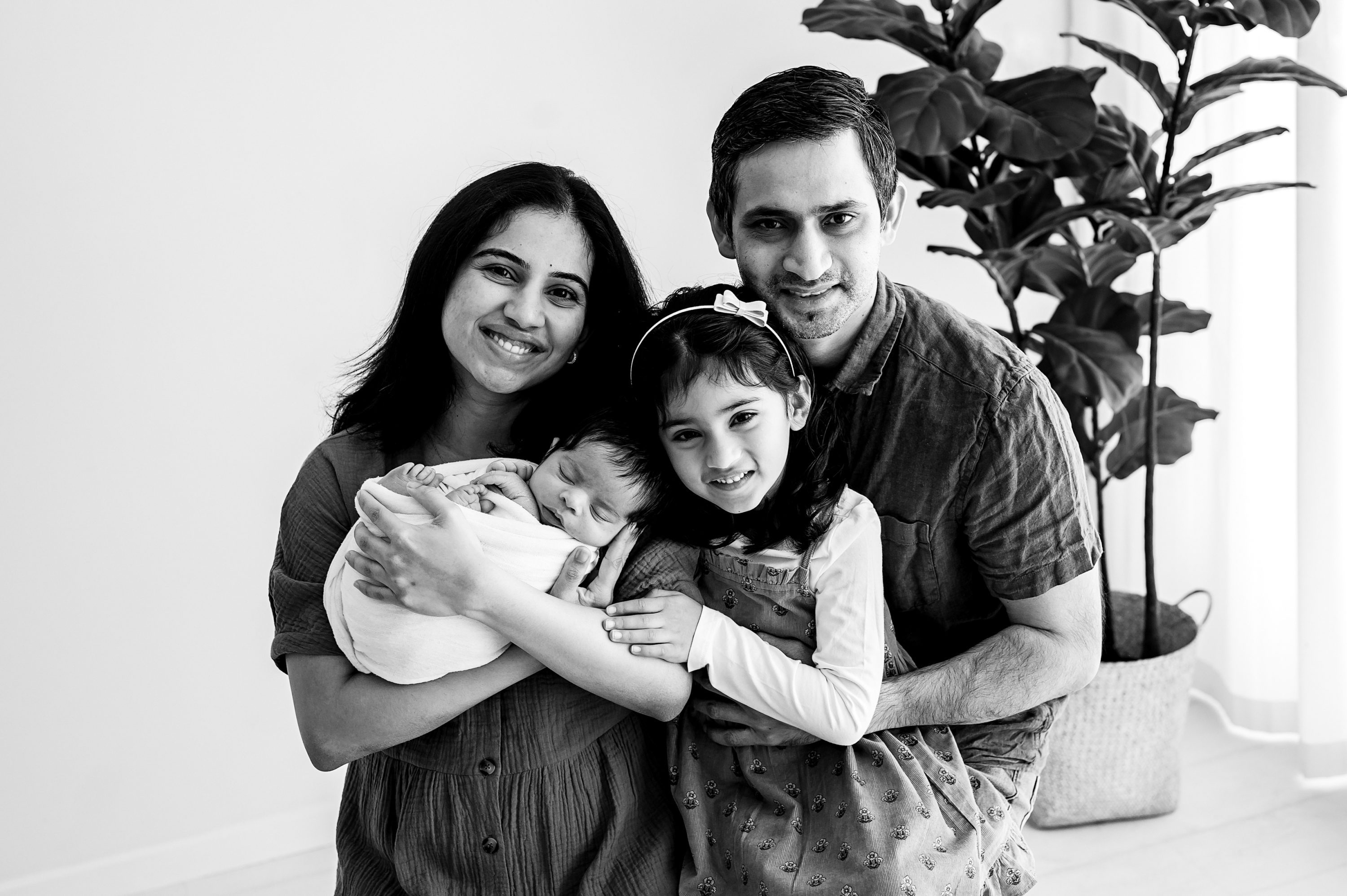
Instead of mostly sleepy, curled-up poses, sessions often include more connection-based moments – feeding, cuddling, settling, and those quiet in-between interactions between you and your baby.
what to expect
A simple breakdown by age
Every baby is different, but this can help set expectations:
baby’s age & what a newborn session might look like
6–14 days old
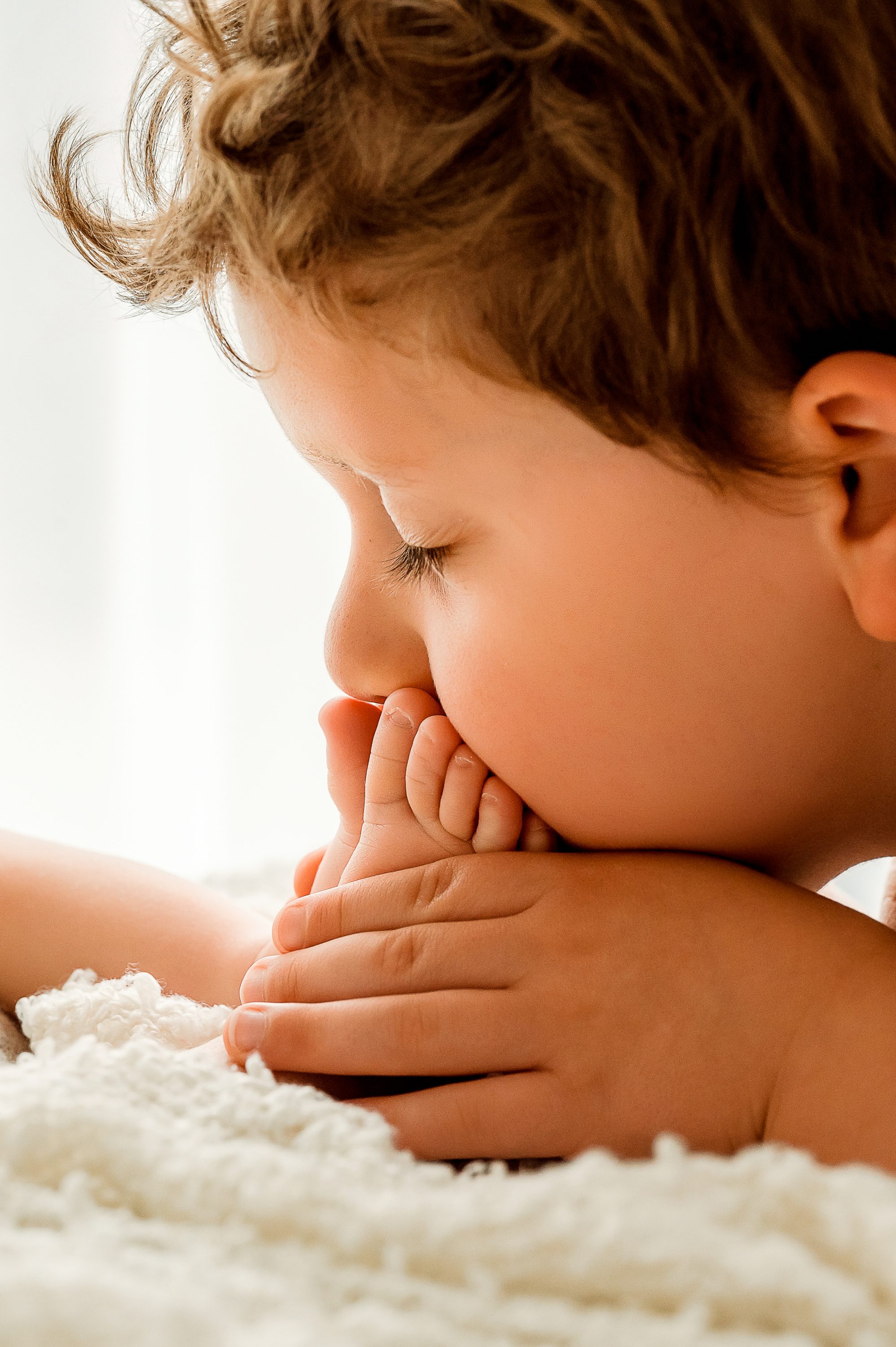
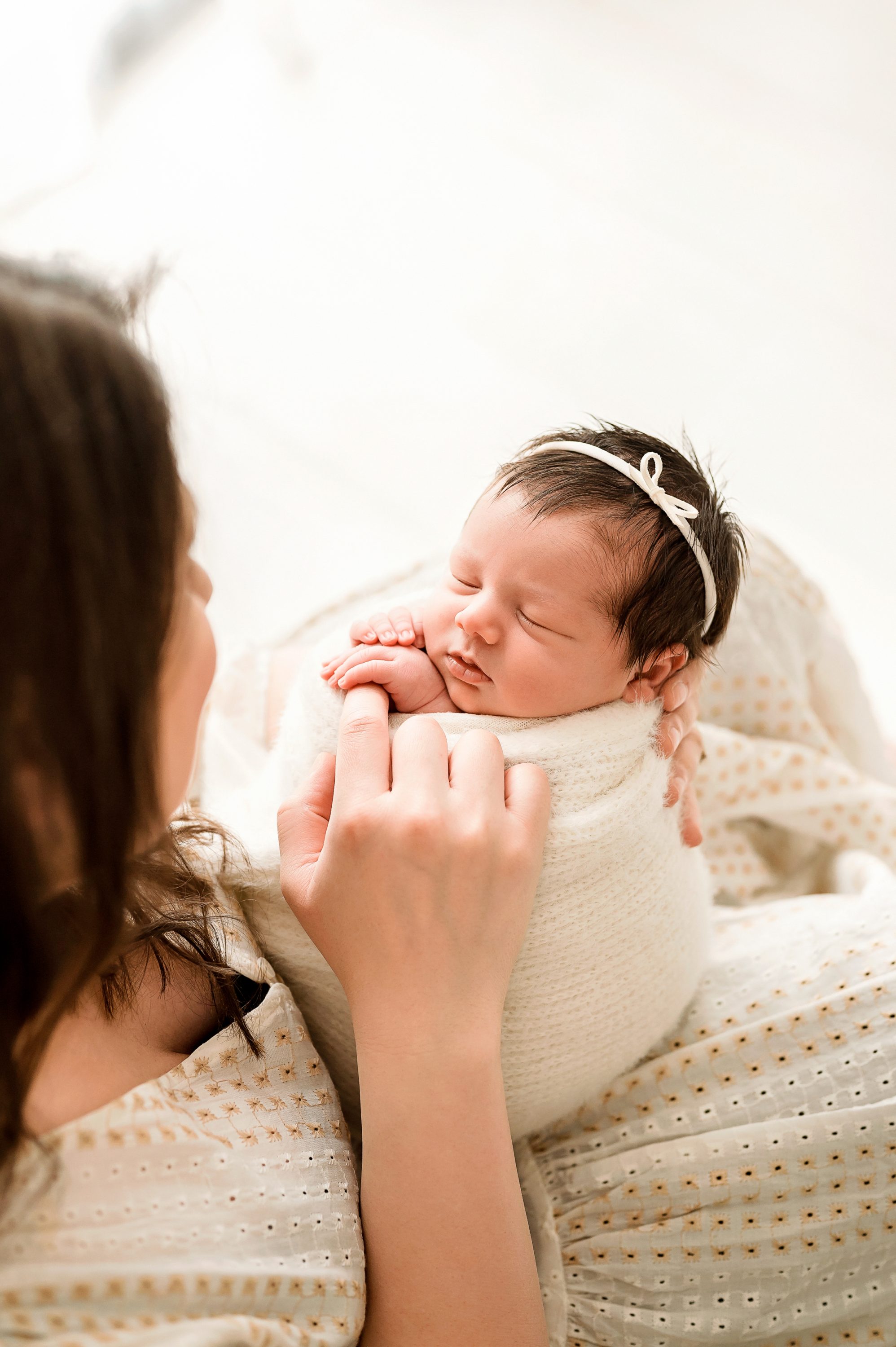
Sleepy, curled poses, minimal wake time, very settled after feeds.
2–3 weeks old
Mix of sleep and wake, more stretching, still very workable for newborn styling.
3–6 weeks old
More alert, i less curling, increasing eye contact, more expressive moments, more natural and connection-focused images
6-8 weeks
Still considered newborn sessions in practice, but image styling shifts more toward baby + family connection rather than posed newborn ‘setups’.
There is no “too late” stage where beautiful images stop being possible.
The session simply evolves with your baby.
Is my baby too old for newborn photos?
This is one of the most common concerns I hear.
“I think we’ve missed it.”
The truth is, you haven’t.
Some of my most memorable newborn sessions have been with babies who were 3, 4, 5 and even 6+ weeks old.
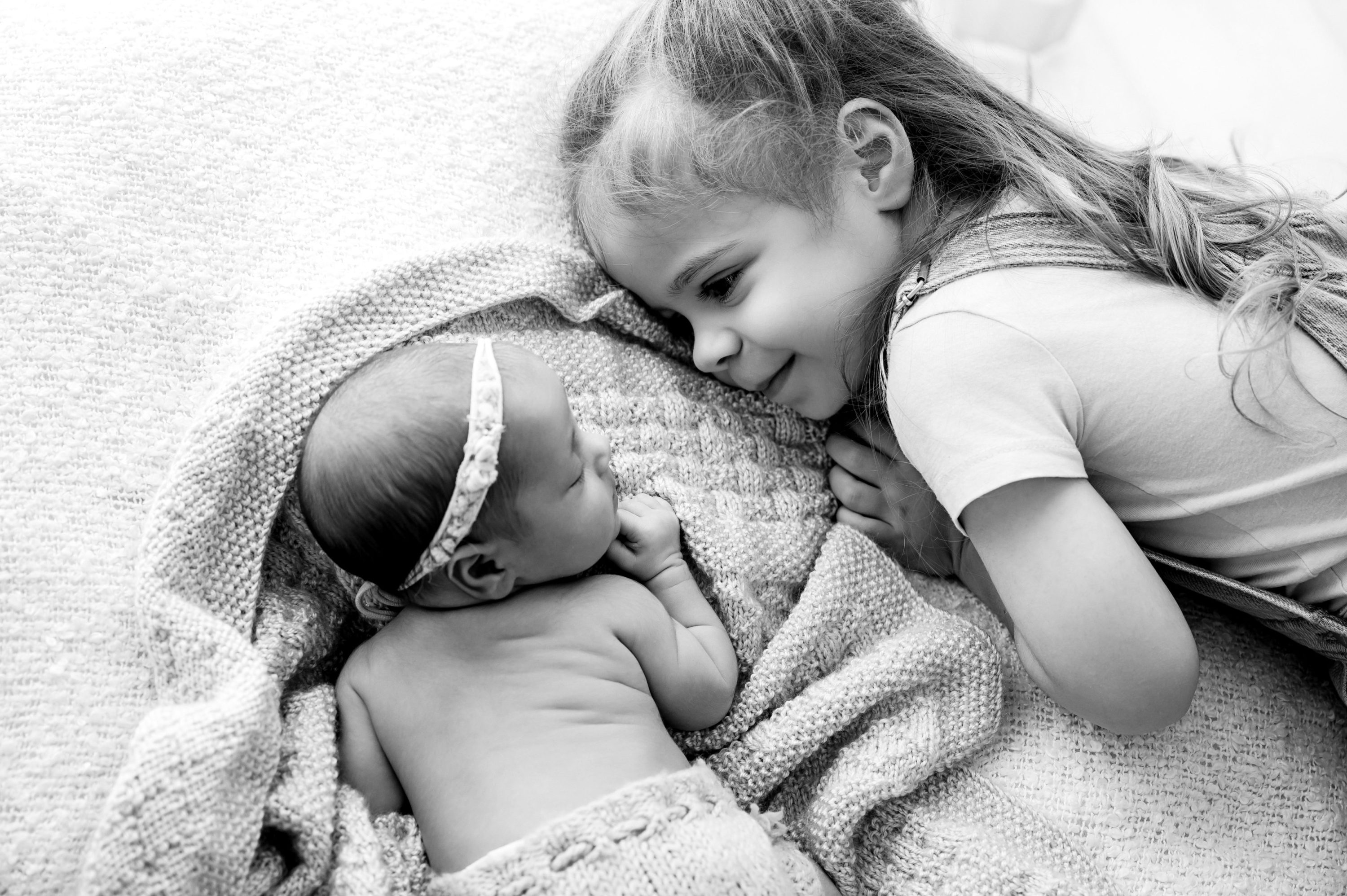
Older newborns often bring something really special – they’re more alert, more interactive, and beginning to show little glimpses of personality. You might get more eye contact, more stretches, and more connection-based images.
Different? Yes.
Worse? Not at all.
Just different in a really beautiful way.
What if my baby didn’t have an easy start?
This is something I want to acknowledge gently, because it’s more common than people realise.
If your baby arrived early, spent time in hospital, or feeding has taken time to establish, the idea of “book early or miss out” can feel overwhelming.
But newborn photography is never about rushing you or your baby.
We always work around:
- feeding
- settling
- recovery
- sleep
- whatever your baby needs on the day
It’s about documenting this chapter in a way that feels calm and supported.
When should you book your newborn photos?
In my 15 years experience, I’ve found easiest way to approach it is this:
- Book while you’re still pregnant (usually your 2nd trimester)
- We pencil in your due date
- Once baby arrives, you simply get in touch
- We choose a date based on how things are going
It’s about documenting this chapter in a way that feels calm and supported.
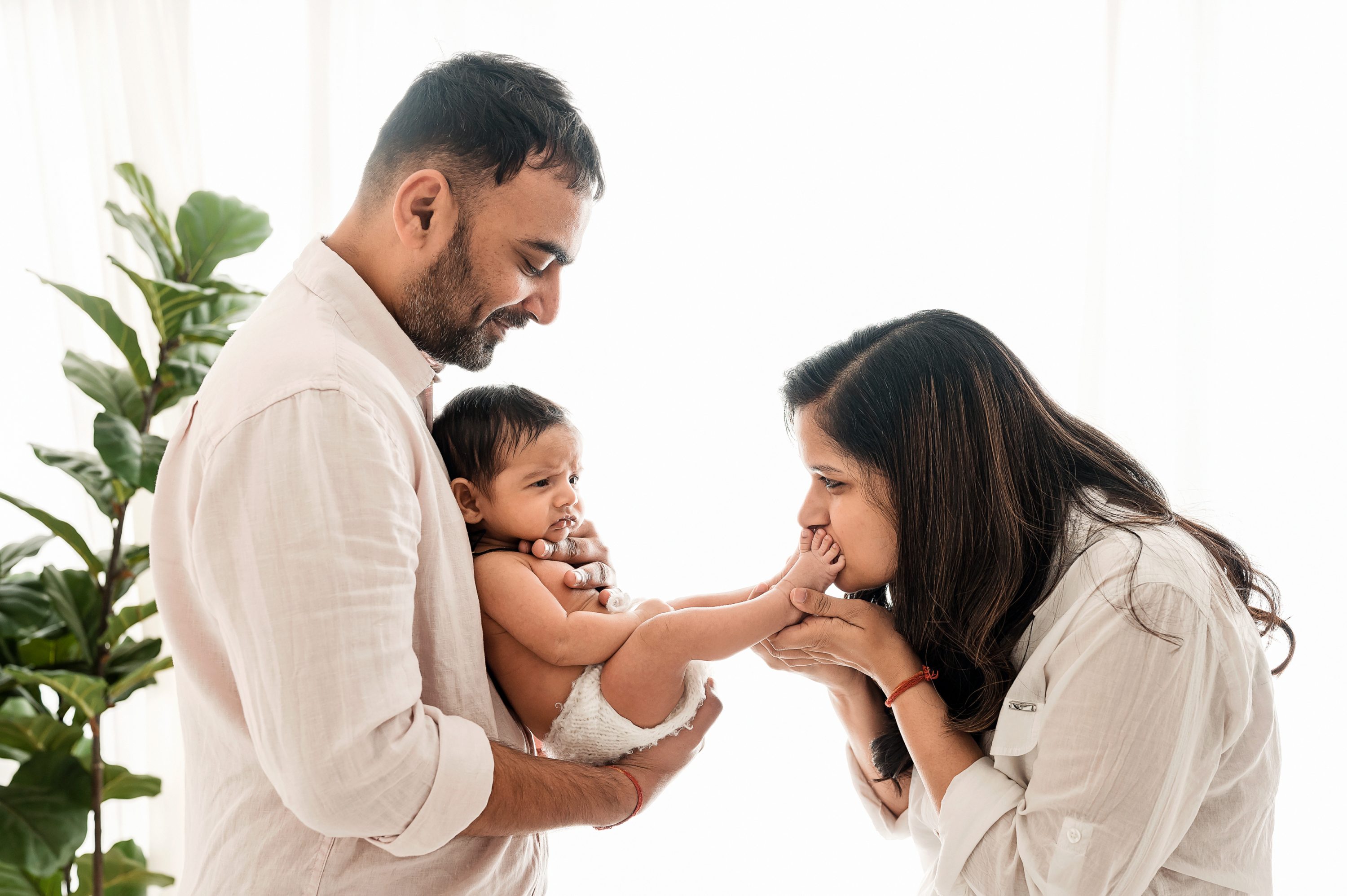
The most important thing I want you to know
There isn’t a narrow window where you can “miss” your chance.
There is an ideal stage for a certain style of image – yes.
But there is no stage where your baby stops being worth photographing.
The photographs that matter most are rarely the technically perfect ones.
They’re the ones that take you straight back to how this season felt.
The tiny weight of your baby in your arms.
The way they fit against your chest.
The beginning of a relationship that is already changing you.
That doesn’t expire after two weeks.
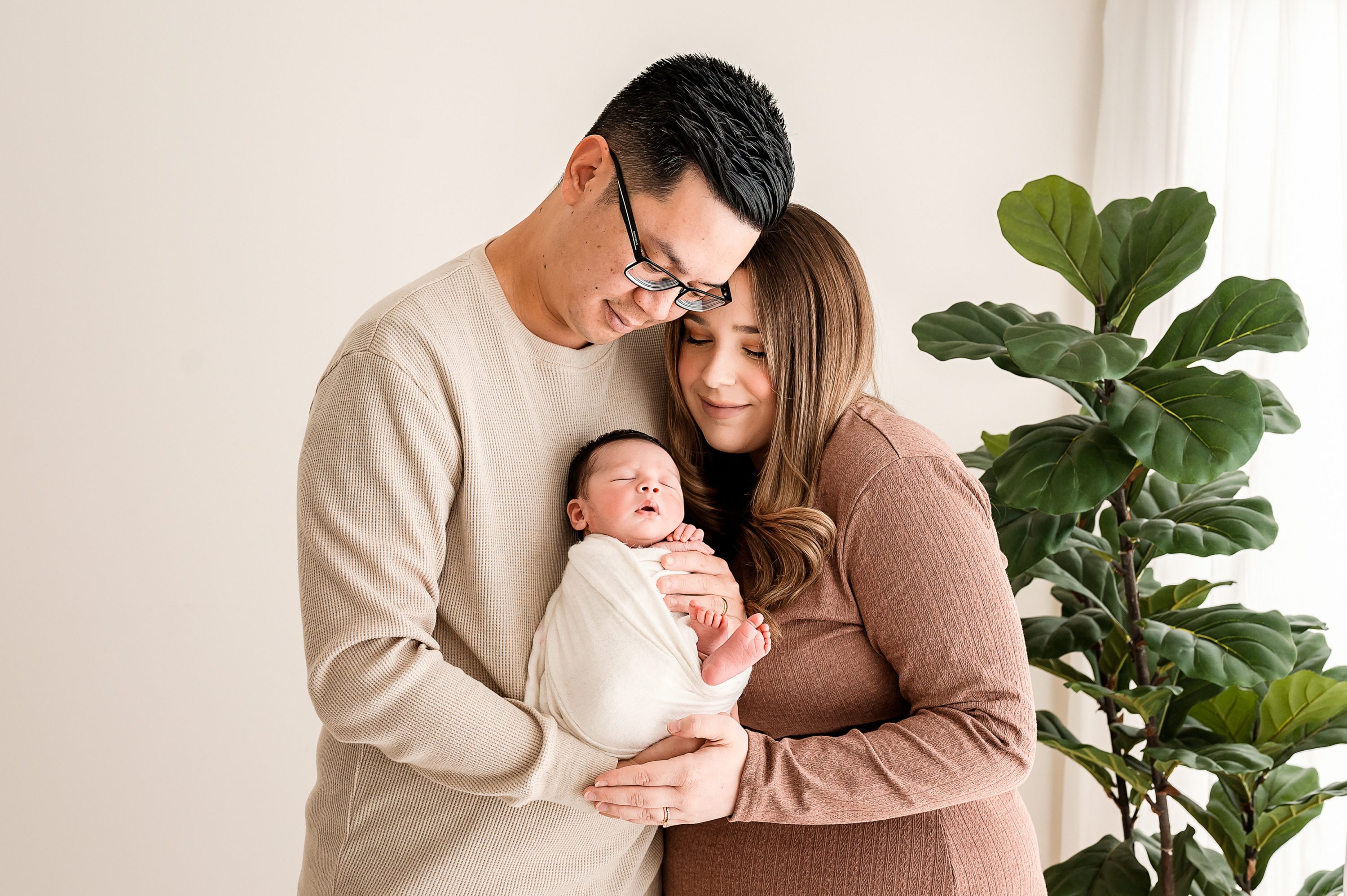
My approach in the studio
My newborn sessions are intentionally calm and unhurried.
There’s time for feeding, settling, cuddling, and breaks whenever needed.
We follow your baby’s rhythm completely.
Some sessions are very sleepy and still.
Others are more interactive and full of connection.
Most are a mix of both.
Either way, the focus is always on keeping things gentle and relaxed for both you and your baby.
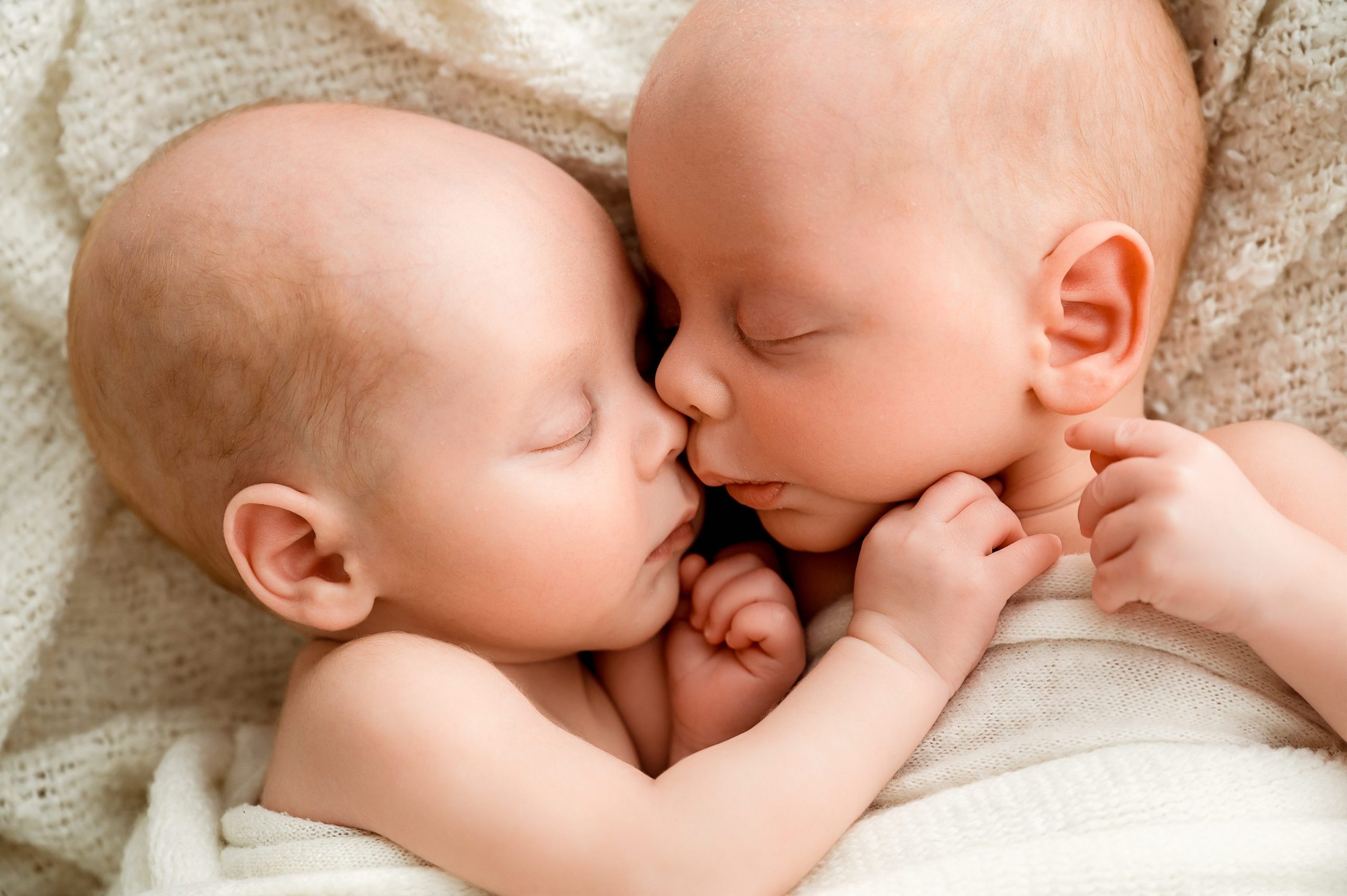
Ready to plan your newborn session?
If you’re expecting a baby and want to plan ahead, or if your baby is already here and you’re wondering whether it’s too late, you’re welcome to get in touch at any stage.
I photograph newborn sessions in my studio in Melbourne’s west, creating simple, natural images focused on connection and calm.